

Rodent problems are one of the most persistent challenges in cities around the world. Urban environments provide everything rats and mice need to thrive: food, shelter, warmth, and countless hidden pathways for movement. Unlike rural settings, where natural predators and open spaces help control populations, cities unintentionally create ideal conditions for rodents to multiply.
Preventing rodent problems in urban areas requires more than occasional trapping or reactive measures. It involves understanding why rodents are drawn to cities, how they enter buildings, and what long-term strategies can keep populations under control.
Why Rodents Thrive in Cities
Urban areas are essentially a continuous food source for rodents. Restaurants, residential buildings, markets, waste systems, and underground infrastructure all contribute to their survival.
Several factors make cities especially attractive:
- Constant availability of food waste
- Warm shelter in buildings and underground systems
- Limited natural predators
- Dense human populations creating more nesting opportunities
- Complex infrastructure that provides hidden travel routes
Rodents are highly adaptable. They can squeeze through small gaps, climb walls, and survive on very little food. This adaptability makes them particularly difficult to eliminate once they establish a presence.
Common Urban Rodents
The two most common rodent pests in cities are:
Rats
Rats are larger, more aggressive, and often live in sewers, basements, and outdoor spaces near buildings. They are strong swimmers and can travel long distances in search of food.
Mice
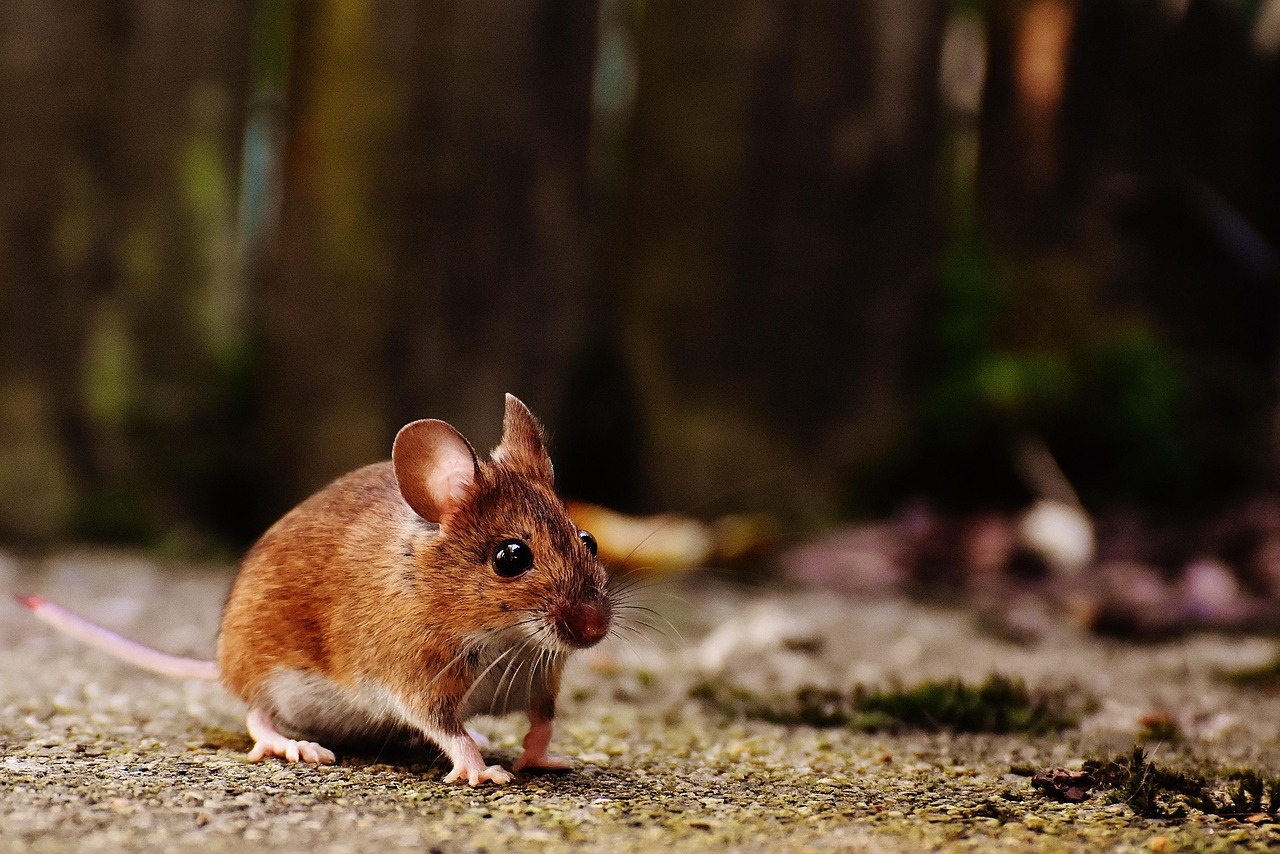
Mice are smaller and more likely to live inside buildings. They prefer warm indoor environments and can hide in walls, ceilings, and storage areas.
Both species reproduce quickly, meaning a small infestation can grow rapidly if not addressed.
How Rodents Enter Urban Buildings
Rodents do not need large openings to enter structures. Mice can squeeze through gaps as small as a coin, while rats can exploit slightly larger openings around foundations or pipes.
Common entry points include:
- Cracks in walls or foundations
- Gaps around doors and windows
- Open vents or damaged screens
- Utility pipe openings
- Drainage systems and sewer lines
- Roof gaps and attic spaces
Once inside, rodents seek hidden, undisturbed areas to build nests.
Signs of a Rodent Problem
Early detection is crucial for preventing a full infestation. Rodents are often active at night, so signs are usually indirect.
Common indicators include:
- Droppings near food sources or along walls
- Scratching or movement sounds in walls or ceilings
- Chewed food packaging or wiring
- Grease marks along walls from repeated movement paths
- Nesting materials such as shredded paper or fabric
- A strong, musky odor in enclosed areas
Even a single sign should be taken seriously, as it may indicate hidden activity.
The Importance of Sanitation
One of the most effective ways to prevent rodent problems is proper sanitation. Rodents are primarily attracted by food availability, and even small amounts of waste can sustain them.
Key sanitation practices include:
- Storing food in sealed containers
- Cleaning up crumbs and spills immediately
- Disposing of garbage regularly in tightly closed bins
- Avoiding leaving pet food out overnight
- Keeping outdoor waste areas clean and covered
Urban environments produce large amounts of waste daily, so consistent management is essential.
Structural Prevention: Sealing Entry Points
Even the cleanest environment can still attract rodents if entry points are accessible. Sealing buildings properly is one of the most important long-term prevention strategies.
Steps include:
- Filling cracks in walls and foundations with durable materials
- Installing door sweeps on exterior doors
- Repairing damaged window screens
- Sealing gaps around pipes and electrical lines
- Covering vents with rodent-proof mesh
In some households, people also choose to use ultrasonic pest repellers as an additional supportive measure, especially in enclosed indoor spaces, although they work best when combined with physical sealing and sanitation.
Waste Management in Cities
Urban rodent populations are closely linked to waste handling systems. Poorly managed garbage collection areas often become breeding grounds.
Improving waste management involves:
- Using rodent-resistant garbage bins
- Ensuring trash is not left outside overnight
- Regular cleaning of dumpsters and disposal areas
- Coordinating waste pickup schedules to avoid overflow
In dense neighborhoods, shared responsibility is especially important, as one poorly managed area can affect an entire block.
Landscaping and Outdoor Maintenance
Outdoor environments around buildings can either discourage or encourage rodent activity.
To reduce risk:
- Keep vegetation trimmed away from building walls
- Remove piles of wood, debris, or unused materials
- Avoid dense ground cover near foundations
- Store outdoor items in sealed containers or sheds
Rodents often use overgrown or cluttered areas as safe travel corridors between buildings.
Urban Infrastructure and Rodent Control
Cities often face rodent issues due to underground systems such as sewers and tunnels. These areas provide safe pathways and nesting sites.
While residents cannot control public infrastructure directly, awareness is important. Coordinated pest control efforts between city authorities, businesses, and residents are often necessary for long-term success.
Some cities implement integrated pest management programs that monitor rodent activity and reduce food access across public spaces.
The Role of Early Action
Rodent problems escalate quickly. A single pair of mice can produce multiple generations in a short time, meaning a small issue can become widespread within weeks.
Early intervention includes:
- Setting traps in suspected areas
- Removing food sources immediately
- Sealing entry points as soon as they are found
- Monitoring activity patterns regularly
Delaying action often allows colonies to expand and spread into multiple areas of a building.
Professional Pest Control in Urban Areas
While prevention is essential, professional pest control is often necessary in urban environments where rodent pressure is high. Professionals use a combination of inspection, monitoring, and targeted treatment strategies.
They can identify hidden nesting sites, map movement patterns, and apply control measures in areas that are difficult to access.
In many cases, long-term control requires a combination of professional intervention and ongoing preventive maintenance.
Preventing rodent problems in urban areas is not a one-time task—it is an ongoing process that requires attention to sanitation, building maintenance, and environmental management. Cities naturally create conditions that attract rodents, but with consistent effort, those conditions can be controlled.
By understanding how rodents live, move, and survive in urban environments, residents and city planners can take practical steps to reduce infestations. The most effective strategy is a layered one: remove food sources, block entry points, maintain clean surroundings, and respond early to warning signs.
With the right approach, even dense urban areas can significantly reduce rodent activity and create healthier, safer living conditions.